
What a Retail Audit Reveals That Your Franchise Reports Cannot
Franchise reports show numbers. Independent assessment shows reality.
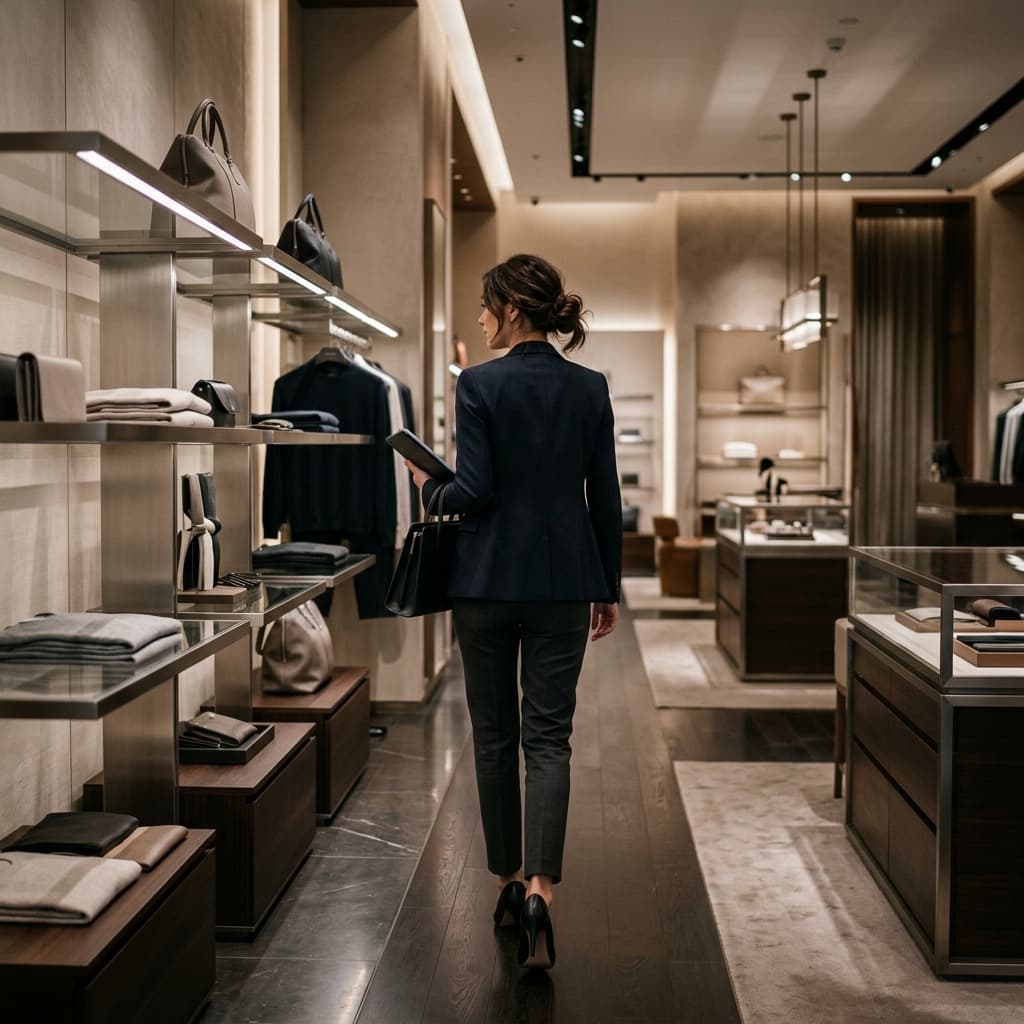
International brands operating in the UAE through franchise arrangements receive regular reporting from their franchise partners. Sales figures, operational updates, staff numbers, inventory levels — the data flows consistently.
But reporting and reality are not the same thing. What a franchise partner reports is shaped by their own operational priorities and commercial relationship with the brand. The gap between what is reported and what is actually happening at store level is, in our experience at FeniXperience, almost always present.
What Reporting Cannot Show
Data tells you what happened. It does not tell you why. A decline in conversion rate appears as a number in a report. What the number does not show is that the store entrance has been reorganised in a way that discourages browsing, that staff are not engaging customers within the first thirty seconds, or that the hero product has been placed at floor level rather than at eye line.
In UAE retail — where in-store experience carries significant commercial weight — these are the difference between a store that performs and one that drains the network.
The Franchise Governance Gap
Franchise structures are a commercial reality across the Middle East. But franchise governance — the contractual and operational framework that governs the relationship — is frequently underbuilt. Brands focus on the terms of the agreement and the initial setup. The ongoing oversight mechanisms — independent audit rights, performance benchmarks, visual merchandising standards — are often less rigorously defined.
This creates a situation where the brand has commercial exposure without the visibility to protect it. An independent retail audit is one of the most effective tools for restoring that visibility.
What an Independent Store Audit Actually Involves
At FeniXperience, we conduct store visits as real customers — without prior notice to the franchise operator or the store team. This is deliberate. A pre-announced visit produces a prepared store. An independent visit tells you what the customer experiences every day.
What We Assess
Our store assessment covers the full customer journey — from the first impression at the store entrance through to the point of purchase. We evaluate visual merchandising, staff behaviour and customer engagement, product presentation and category logic, promotional execution, cleanliness and ambiance, and operational indicators such as stock availability.
What We Deliver
Every assessment results in a structured report identifying where performance is strong, where revenue potential is being lost, and what specific actions will have the highest commercial impact. The report is benchmarked against GCC retail standards.
When Independent Audit Is Most Valuable
The most critical moments are around peak trading periods — before Ramadan, before the UAE Shopping Weeks, before any significant promotional investment. Knowing the real state of the store before committing resources to a campaign is far more valuable than discovering the gaps after the trading window has closed.
Franchise reports show numbers. Independent audits show what is behind them.
More Insights
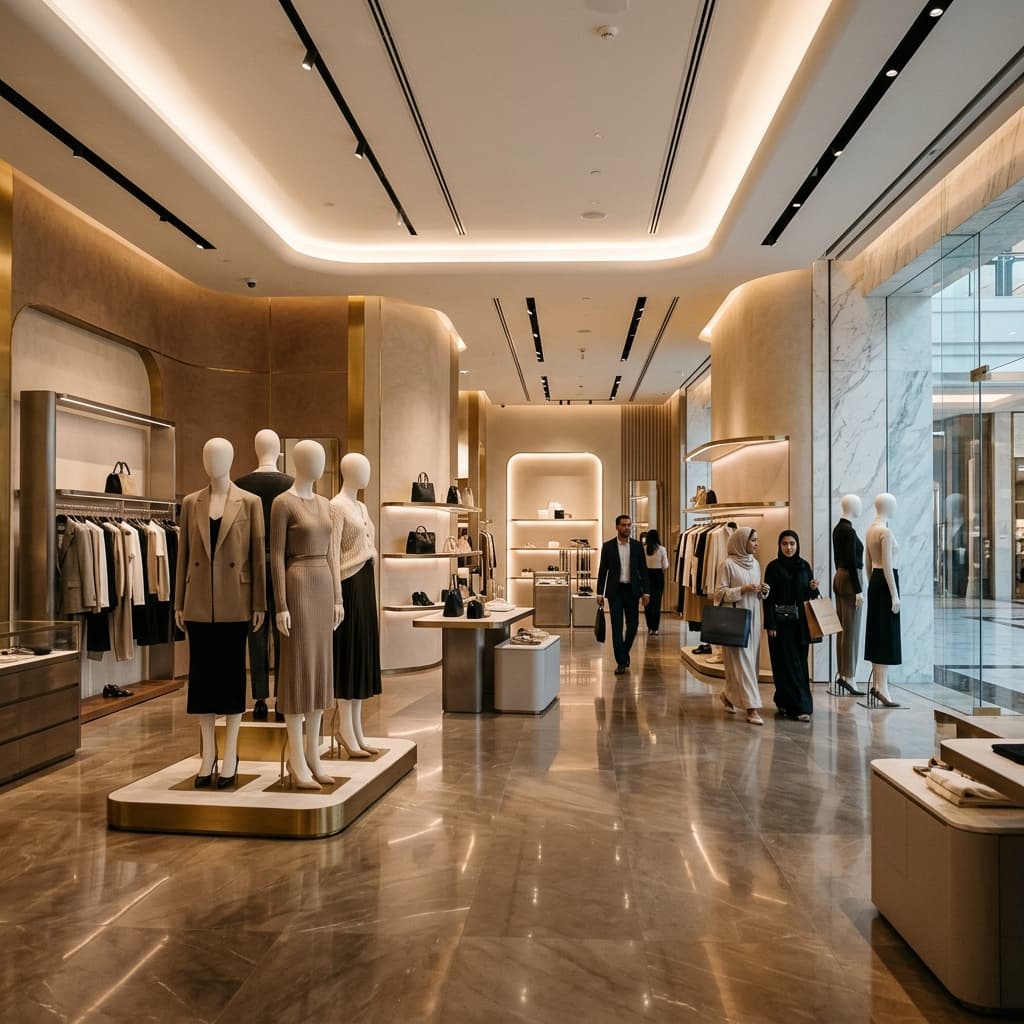
Why International Fashion Brands Underperform in the UAE
The product is right. The location is right. But results do not follow. Here is why.

The Middle East Is Not One Market
UAE, Saudi Arabia, Qatar, Bahrain, and Oman each operate by different rules. What brands need to know before expanding.

Ramadan and Retail: The Window Most Brands Miss
One trading period. One third of annual revenue. Most brands are not ready for it.